
Workshop on Intelligent Gerontechnology for Accessible Living
HKUST, Hong Kong · 2026.06.01
A focused workshop on intelligent technologies that support accessible and independent living for senior people.
HKUST, Hong Kong · 2026.06.01
A focused workshop on intelligent technologies that support accessible and independent living for senior people.
This workshop centers on intelligent gerontechnology for accessible living, exploring how intelligent systems and assisted mobility technologies can empower senior people in their everyday lives.
By bringing together academic experts in aging sciences and aging technology with industry partners, the workshop aims to define foundational challenges, research opportunities, and concrete action plans for the next generation of intelligent gerontechnology.
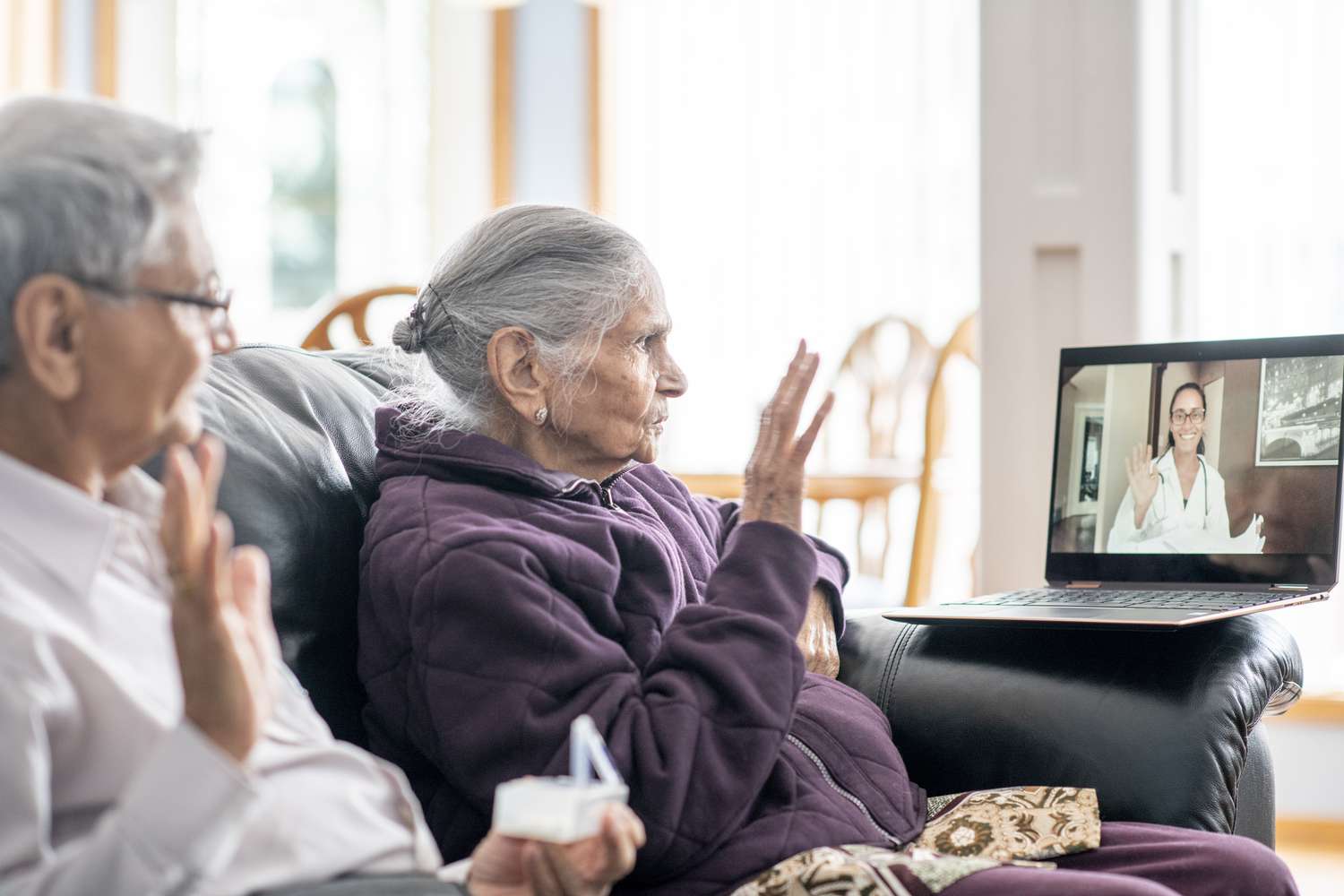
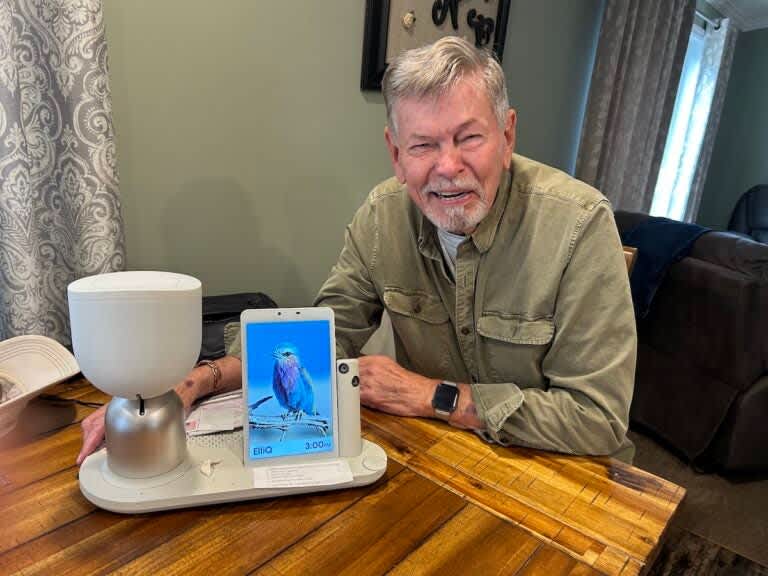
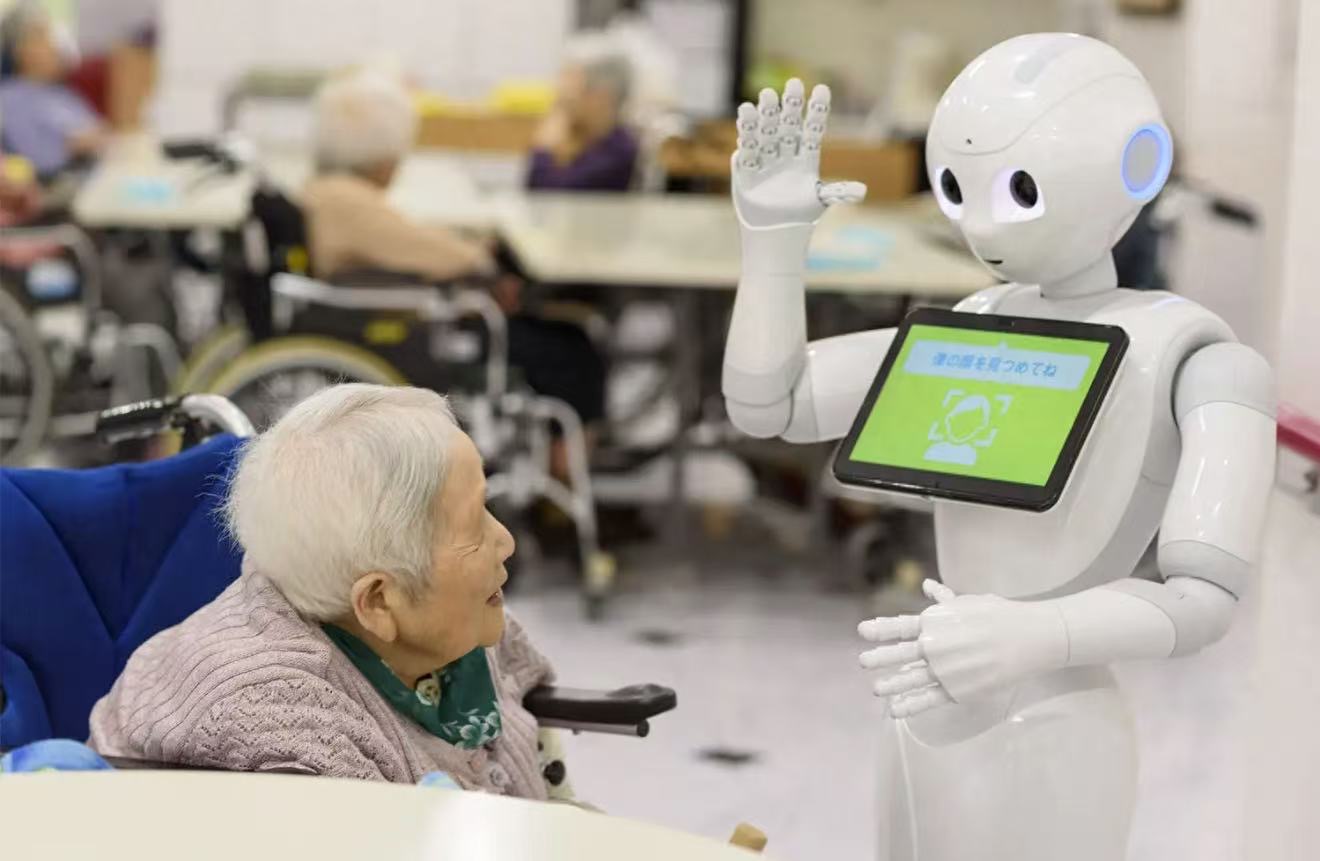
The workshop brings together participants from HKUST, HKUST(GZ), and beyond, including both academic and industry communities working on aging and technology.
The program combines keynote talks, panel discussions, and working group sessions to build a shared research and design agenda for intelligent gerontechnology.
Invited speakers (tentative) include:
Participants will break into mixed academic–industry working groups to discuss key themes:
Informal networking and follow-up discussions among participants, providing space to deepen collaborations and share emerging ideas.
Each group presents its vision of how to move beyond simple “design recommendations” and define the fundamental research needed to develop and deploy intelligent technologies for accessible living.
Facilitators will synthesize insights into future cross-campus initiatives and academia–industry interfaces, aiming to create a dynamic, shared ecosystem for both talent and technology in the field of aging and accessibility.
The workshop features invited speakers from leading universities and industry partners who work on aging sciences, gerontechnology, and accessible living. Below are short bios of the invited speakers.
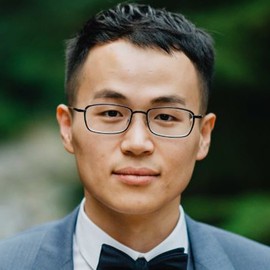
Pervasive Human Computer Interaction Lab, Tsinghua University
Prof. Wang’s research focuses on efficient sensing of behavioral and physiological data and the design of intelligent interactive interfaces for mobile and wearable devices. His work covers robust sensing techniques on commodity devices, extracting meaningful spatiotemporal patterns from multimodal data, and designing novel interaction interfaces optimized for edge deployment. He has published over 80 papers, holds dozens of invention patents, and has received multiple international conference awards and youth talent honors in artificial intelligence and electronics.
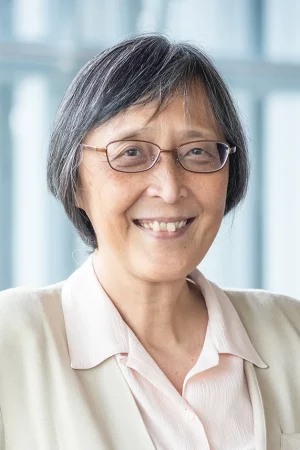
Henry G Leong Research Professor of Gerontology and Geriatrics, The CUHK Jockey Club Institute of Ageing
Prof. Woo graduated from the University of Cambridge and has played a leading role in the development of geriatric medicine, public health, and community and family medicine at the Chinese University of Hong Kong. She has served as Head of the Department of Medicine, Head of the Department of Community and Family Medicine, and Director of the School of Public Health, and has led geriatric services at Shatin Hospital. Her research covers chronic diseases in older people, health services, nutrition epidemiology, end-of-life quality of life, and health equity, with over 900 papers in peer‑reviewed journals.
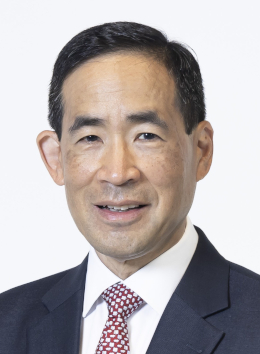
Chair Professor and Director of the Center for Aging Science, HKUST
Prof. Shi is a Professor in the Department of Electronic and Computer Engineering at HKUST and Director of the Center for Aging Science. He joined HKUST after completing his PhD at the University of California, Berkeley, and has held a range of leadership roles including Acting Dean of Engineering, Head of the ECE Department, and Founding Director of the MSc Program in Electronic Engineering. His research spans neuromorphic engineering, computational neuroscience, and human–machine and human–robot interfaces, with a focus on modeling and automated analysis of facial expressions and eye movements.
CEO & Co‑founder, NET-TECH Company Limited (BNET-TECH)
Mr. Leung leads NET-TECH Company Limited (BNET-TECH), whose motto is “Technology That Has Your Back” and whose work focuses on safety and fall-detection technologies for older adults and users of accessible facilities. The company’s LiDAR-based system Fadelisy can detect a toilet user’s position and posture, trigger alerts to property managers when anomalies occur, and provide non-invasive insights into usage patterns without video surveillance. Through programmes such as “CCG Accel Powered by HKSTP”, BNET-TECH collaborates closely with property developers and care providers to adapt and refine its solutions for real-world environments ranging from day-care centres to shopping malls.
The workshop will be hosted at HKUST in Hong Kong, with hybrid participation enabled via Zoom / Tencent Meeting. Detailed registration and logistics information will be circulated to invited participants and shared through ARK Lab channels.
For questions regarding the workshop, please contact Prof. Xiaojuan Ma at the Hong Kong University of Science and Technology (HKUST).