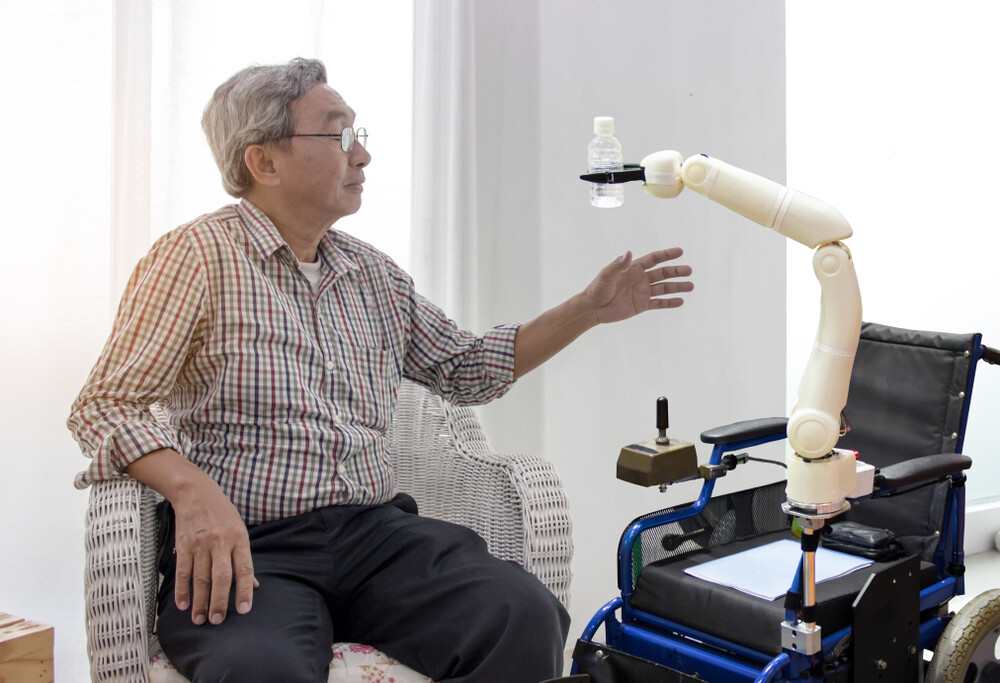
This workshop focuses on designing age-friendly intelligent agents that support senior people in their everyday lives. We bring together researchers, students, and industry practitioners who work on human–AI interaction, accessibility, healthcare, and aging.
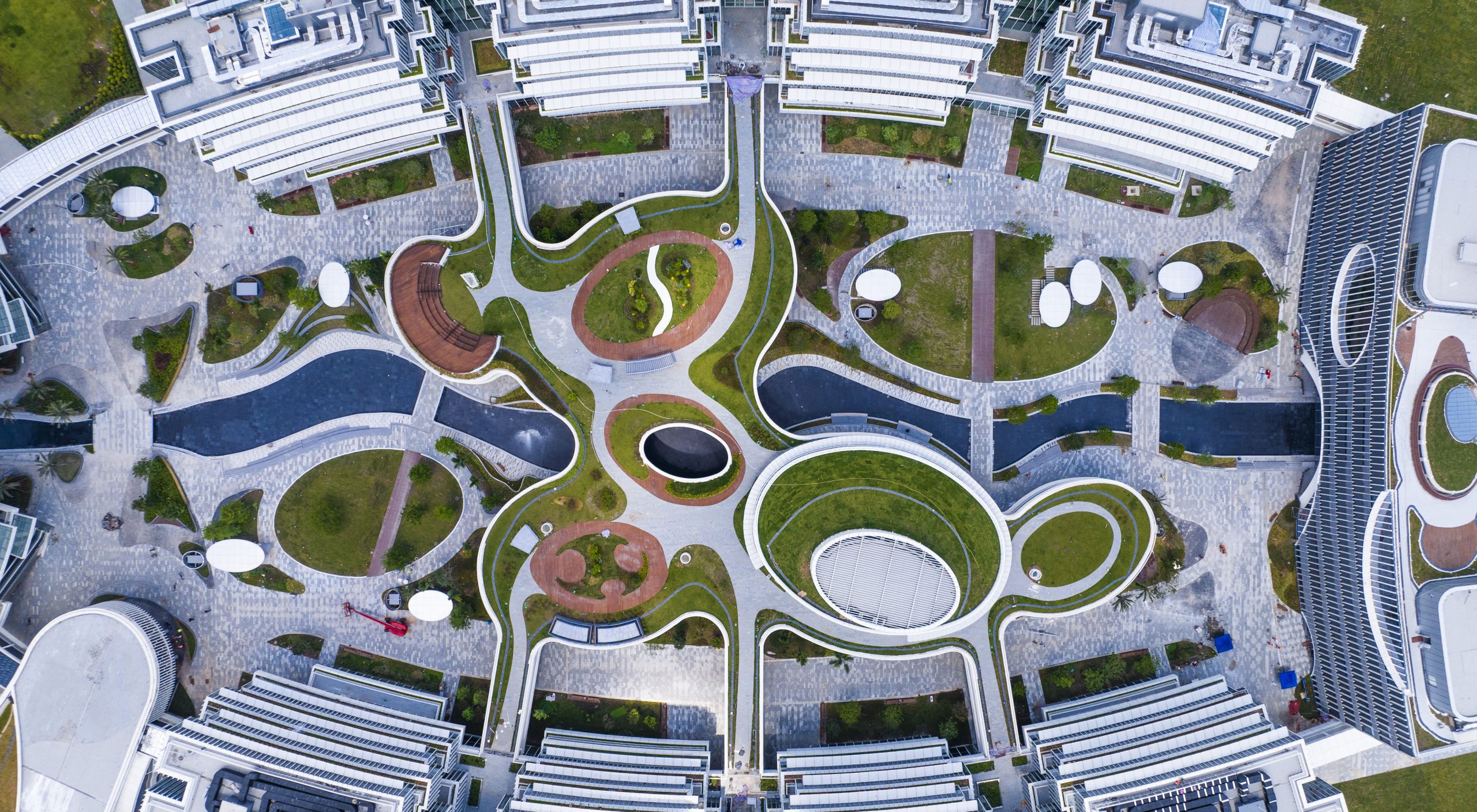
The event will take place on the HKUST(GZ) campus and feature themed talks, panel discussions, small-group discussions, and co-design activities that explore opportunities, challenges, and design paradigms for building inclusive, trustworthy, and adaptive intelligent agents for senior users.
The workshop targets a diverse audience from academia and industry who are passionate about technology for senior people and human-centered intelligent systems.
The workshop is structured as a full-day event combining talks, discussions, and co-design activities to collaboratively explore age-friendly intelligent agents for senior people.
Invited speakers (tentative) include:
Participants will break into mixed academic–industry groups to discuss key themes around age-friendly intelligent agents:
Hands-on ideation activities focused on future age-friendly AI agent prototypes:
Each group presents their concepts, challenges identified, and proposed research directions.
Facilitators will synthesize emerging themes, highlight collaboration possibilities, and outline next steps for joint HKUST–HKUST(GZ) and industry research efforts.
The workshop brings together leading scholars and industry experts working on aging, accessibility, and human-centered intelligent systems. Below are short bios of the invited speakers.
Global Health Research Center, Duke Kunshan University and Duke University
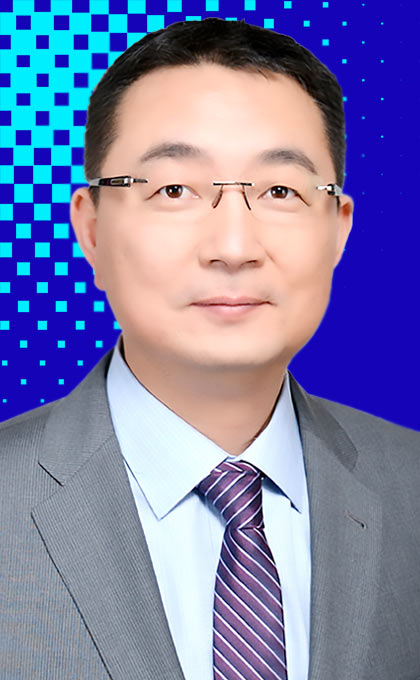
Dr Liu is currently the Co-Director of the Global Health Program at Duke Kunshan University and Professor of Global Health. He previously served as Director of the Division of Programme Management at the WHO Regional Office for the Western Pacific, and as WHO Representative in Cambodia, the South Pacific, and Lao PDR, leading efforts in health system strengthening, preparedness for health emergencies, and achieving health-related MDG targets. Before joining WHO, he held senior positions in China’s Ministry of Health and began his career as a “Barefoot Doctor” in rural China.
Director, Research Center for Aging User Experience and Service System, The Future Laboratory, Tsinghua University
Prof. Jeung has over 30 years of experience in human–computer interaction and digital media design. He has served as President of the Korean HCI Society, Board Director of the Korean Social Science Design Association, and held leadership roles in cultural technology development for the Korean Ministry of Culture, Sports and Tourism and in the Wireless Business Division at Samsung Electronics. He has also taught at the Samsung Institute of Art and Design and various universities in Korea and China, focusing on interaction design and aging user experience.
Research Professor, Fudan University; Visiting Professor, University of Michigan
Prof. Sun’s research lies at the intersection of Human–Computer Interaction (HCI), Computer Supported Cooperative Work (CSCW), and Social Computing. Her work focuses on technology- and AI-mediated aging, healthcare, education, city governance, and rural revitalization, using socio-technical approaches to design human-centered tools and systems that promote individual and societal health and well-being.
CEO, Izhaohu Inc.
Mr. Ding received his EMBA from China Europe International Business School (CEIBS) in 2001 and later founded startups in Silicon Valley. In 2007, he returned to China and founded the “Izhaohu” brand, serving as CEO and pioneering an Internet- and technology-enabled community care model that allows older adults with disabilities or dementia to access professional services at lower cost and return to family and community life with dignity. This model has been implemented across most districts in Shanghai and expanded to many other cities in China. Mr. Ding also holds multiple public and professional roles in the aging and care sector, including positions in municipal advisory bodies and national gerontology and care associations.
The workshop will be hosted at HKUST(GZ), with hybrid participation enabled via Zoom / Tencent Meeting. Details about the event webpage and registration will be announced later.
For questions regarding the workshop, please reach out to ARK Lab at HKUST(GZ).